
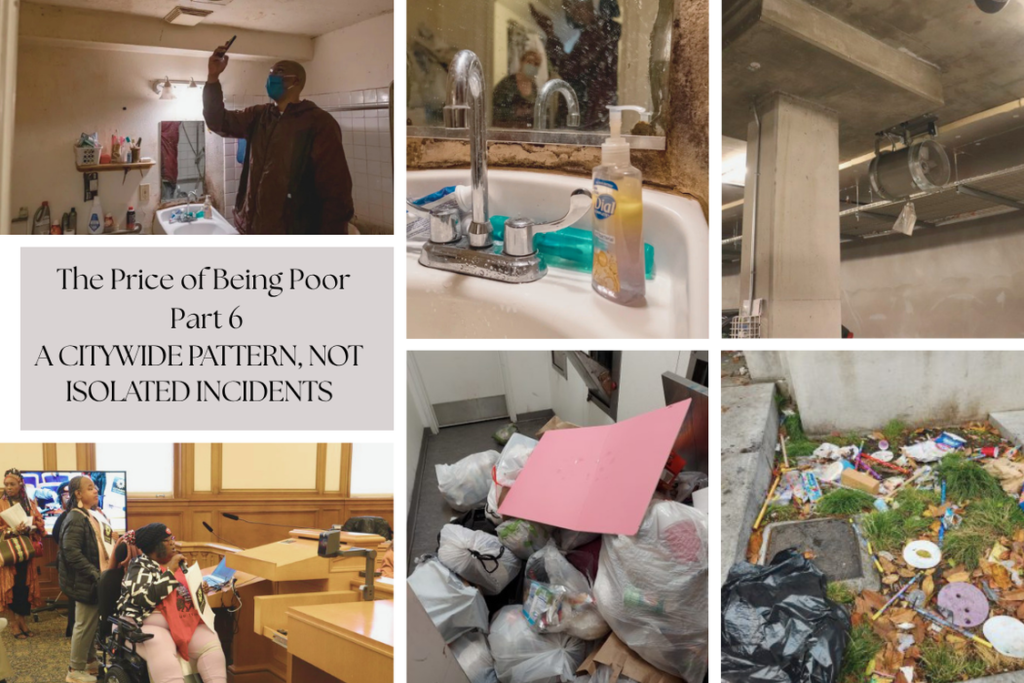
Top left & middle (Western Addition):
https://www.sfpublicpress.org/slow-incomplete-repairs-at-sf-housing-project-frustrate-residents/
Top right and bottom photos (Alice Griffith Apartments): https://missionlocal.org/2025/05/bayviews-alice-griffith-housing-was-built-in-2017-its-already-falling-apart-why/
SAN FRANCISCO — It lasted one hour on Friday, April 10, 2026, but the impact may last much longer.
In a tightly focused, one-hour virtual meeting moderated by this journalist, tenants from across San Francisco delivered direct testimony to Special Assistant Attorney General Alex Fisch of the California Department of Justice. What unfolded was not a scattered series of complaints—it was a cohesive, citywide record of harm, built in real time by residents who have spent years trying to be heard.
There were no abstractions. No hypotheticals.
Only lived experience.
And what emerged was unmistakable:
This is not a housing problem. This is a system problem.
IT BEGAN WITH SEWAGE — AND A SYSTEM THAT DID NOT RESPOND
At the very start of the meeting, two women from Holly Court spoke.
Their testimony set the tone—and it was impossible to ignore. They described a living environment overtaken by raw sewage, where flooding was not a one-time emergency but a recurring reality. Wastewater backed up through plumbing systems, spilling into living spaces and saturating floors and walls. The smell, they explained, was constant. The exposure, unavoidable. At one point, a resident described standing in fecal-contaminated water for days, unable to reach property management or access any form of emergency response.
Repairs, when they came, were described as temporary and ineffective—holes cut into walls, surfaces painted over, the underlying problem left unresolved. Residents reported serious health impacts, including respiratory illness, infections, and repeated hospital visits. One tenant described being unable to bring a young child back into the home because the conditions were simply too dangerous.
If there was a starting point for this meeting, it was this:
People in San Francisco are living in conditions that meet the definition of a biohazard—and no one is responding with urgency.
A CITYWIDE PATTERN, NOT ISOLATED INCIDENTS
Testimony was gathered from tenants living in properties managed by Related Affordable, the John Stewart Company, Bridge Housing, and others—spanning multiple neighborhoods and developments, including:
Alice Griffith Apartments (Bayview–Hunters Point)
LaSalle Apartments
Shoreview Apartments
Bayview Apartments
Plaza East (Fillmore District)
Martin Luther King–Marcus Garvey Cooperative (Western Addition)
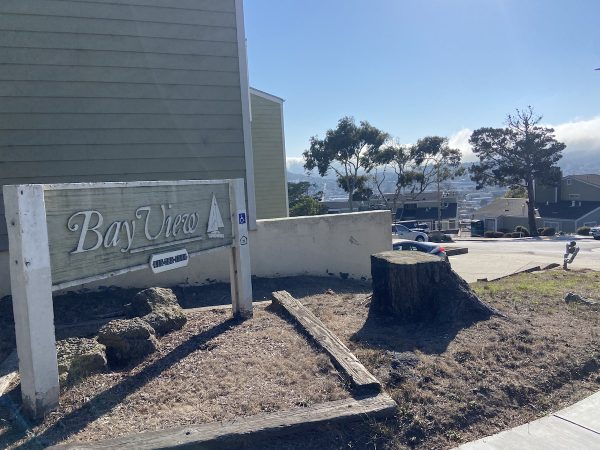
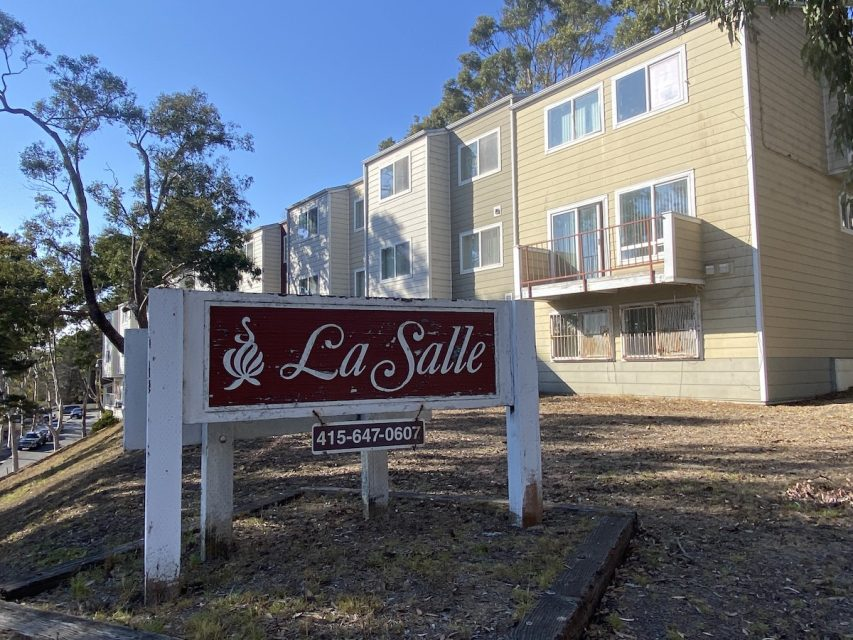
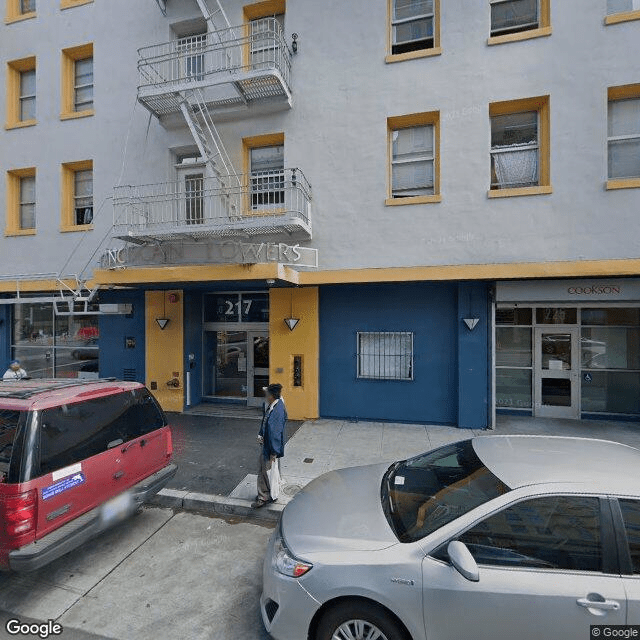
Across all of these sites, the stories aligned with striking consistency.
Residents described:
• Raw sewage flooding into living spaces
• Persistent mold and respiratory illness
• Inoperable plumbing and electrical systems
• Broken elevators trapping disabled tenants
• Long-term failure to complete essential repairs
These were not occasional breakdowns.
They were described as ongoing conditions.
WHEN CONDITIONS BECOME CONSEQUENCES
The human cost of these conditions is no longer theoretical.
Tenants reported:
• Repeated hospital visits tied to environmental exposure
• Children unable to live safely inside their own homes
• Loss of personal property due to flooding, fire, and structural failure
• Years without basic utilities like heat or functioning kitchens
In multiple accounts, residents described living with sewage exposure, toxic mold, and structural instability—conditions that would trigger emergency response in most parts of the city, but here have become normalized. These are not maintenance issues. These are health hazards.
RETALIATION: THE SILENT ENFORCEMENT MECHANISM
If the conditions themselves were alarming, what followed was even more concerning.
Multiple tenants described retaliation after speaking out—a pattern that appears across properties managed by Related Affordable and the John Stewart Company.
Repairs delayed. Access restricted. Pressure applied.
And so it must be said plainly:
Related Affordable and John Stewart companies have embraced a pattern of retaliation tactics against tenants who have the courage to speak out.
I have purposely withheld the names of many of the community members who provided testimony for fear of their safety. This is not hyperbole.
THE ENFORCEMENT LOOP THAT NEVER ENDS
San Francisco’s enforcement system came under direct scrutiny during the meeting.
Tenants described a familiar cycle:
• Violations are reported
• Inspections are conducted
• Fines are issued
• Conditions remain unchanged
Property operators, residents say, continue operating despite repeated violations, treating penalties as a manageable cost rather than a corrective force.
Meanwhile:
• Repairs remain incomplete
• Conditions persist
• Contracts continue to be awarded
• Enforcement exists. Accountability does not.
THE MONEY QUESTION REMAINS UNANSWERED
One of the most persistent questions raised during the meeting was simple:
Where is the money going?
Across these properties, tenants pointed to:
Significant public subsidies
Pandemic-era funding allocations
Ongoing redevelopment investments
Yet, inside their homes, they report:
• Non-functional appliances
• Unsafe infrastructure
• Delayed or abandoned repairs
Public investment is visible on paper. Its impact is not visible in people’s homes.
THE FILLMORE CONFIRMS THE PATTERN
The testimony did not stop at Bayview–Hunters Point. In the Fillmore District, residents described:
• Senior citizens—some living in their homes for decades—now facing eviction
• Confusion and discrepancies in rent and subsidy accounting
• Persistent pest infestations and structural neglect
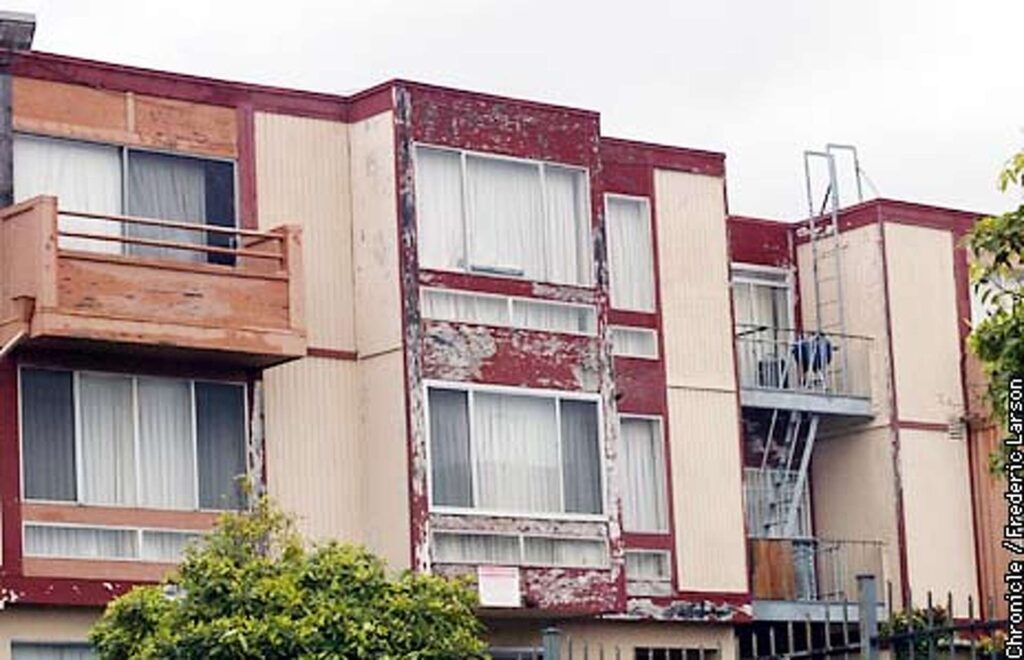
At the Martin Luther King–Marcus Garvey Cooperative, long-term residents now face displacement under conditions they say they did not create and cannot control.
This is not turnover. This is erosion.
PLAZA EAST AND THE CONTRACT CONTINUUM
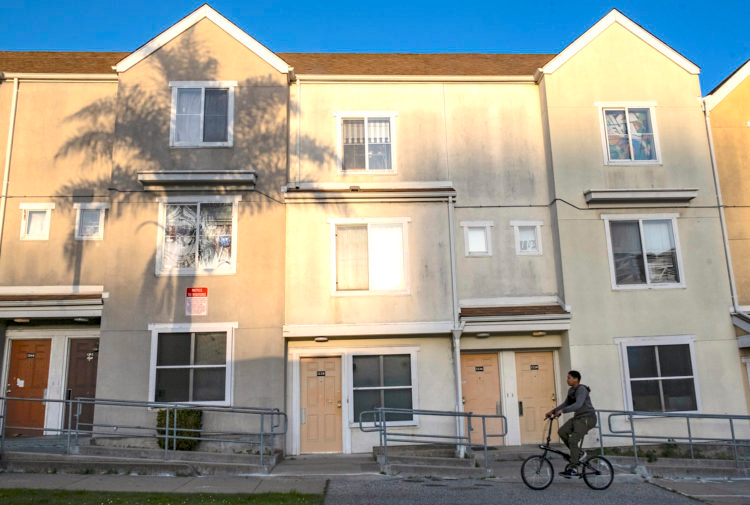
At Plaza East Apartments, as in other developments, the same pattern continues:
• Documented habitability concerns
• Legal disputes or settlements
• Continued participation in publicly funded projects
The same entities continue to operate within the same system, with little visible interruption. The cycle is not breaking. It is repeating.
WHAT WILL IT TAKE?
At this stage, the question is no longer about awareness.
The City and County of San Francisco have:
• Inspection data
• Tenant complaints
• Public reporting
• Years of documented issues
And now, a direct record of testimony presented to the California Department of Justice.
So the question becomes:
What will it take to get the attention of those with the power to act?
How many violations are enough?
How many testimonies must be heard?
How many communities must tell the same story before it is treated as a system failure rather than a series of isolated events?
And more directly: Mayor Daniel Lurie—where are you?
This crisis has unfolded in full public view. The testimonies have been documented. The conditions are not hidden. Your silence is now part of the record.
COMMUNITY, NOT GOVERNMENT, BUILT THE RECORD
If there is a force in this city that refuses to accept that silence, it is the community itself.
In District 10, one organization has stood ready—consistently, unapologetically—to advocate and defend the rights of local tenants:
The Bayview Hunters Point Coordinating Council
They have organized.
They have documented.
They have shown up when institutions did not.
Members of that body—leaders forged in decades of struggle—recognize these patterns because they have seen them before. And their work today stands on the shoulders of a man whose name must be spoken:

DEWAYNE GAINES
The Coordinating Council was resurrected through his urging and advocacy. He understood what was at stake. He understood what happens when communities are left to fight alone. Although he has recently joined the ancestors, his legacy is not gone. It is active. It is present. It is moving through the work being done right now.
And so, it must be said:
“Related Affordable and John Stewart companies have embraced a pattern of retaliation tactics against tenants who have the courage to speak out. I purposely withheld the name of community members for fear of their safety, and this is not hyperbole. In District 10 there is one community led organization that has stood ready to advocate and defend the rights of local tenants and that organization is the Bayview Hunters Point Coordinating Council. Members such as Mr. Kevin Williams, Elder Claude Carpenter and Elder Oscar James have all seen these tactics before. The BVHPCC was resurrected at the urging and advocacy of our beautiful brother in struggle, Dewayne Gaines. Although Dewayne went on to join the ancestors recently, HIS LEGACY IS ALIVE AND STRONG. I knew Dewayne and will do my best to represent his community work to the best of my ability. RIP to a Real Soldier of the People! Dewayne Gaines.”
THE STATE IS NOW LISTENING
With the California Department of Justice now engaged, the framework shifts.
What was once described as:
• Tenant complaints
• Property management issues
• Administrative delays
Is now being presented as:
• A pattern
• A practice.
• A potential violation of law.
And patterns demand a different response than complaints.
THE RECORD HAS BEEN DELIVERED
The meeting may have lasted one hour. But the testimony reflects years of lived experience. It began with sewage at Holly Court. It stretched across Bayview and the Fillmore. And it now sits before the State of California.
WHO IS ALEX FISCH?
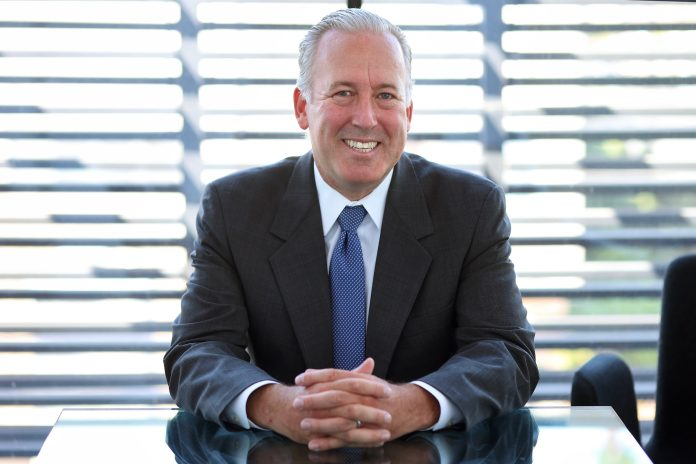
Alex Fisch – Special Assistant Attorney General for Housing, California Department of Justice
On May 19, 2023, an article announced Mr. Fisch as the new Special Assistant Attorney General for Housing, provides a brief summary of his position:
“Special Assistants are senior advisors to the Attorney General, Rob Bonta, and there are already offices for health care, environment, civil rights and criminal law. The creation of a position to support housing is a first. The state posted the job a few weeks ago, and Fisch did not let the opportunity pass. The office is scheduled to oversee “housing and tenant-related issues,” and also to serve as a liaison “between the Attorney General’s Office and individuals and advocacy groups working on housing and tenant’s right’s issues.
“Fisch was already a member of the State’s legal team, serving as a Deputy Attorney General, a position he has held for the past nine years. “Of course, I couldn’t have [moved into this new position] if I were still serving on council – I simply would not have been able to put in the time.”
Source: https://culvercitycrossroads.com/2023/05/19/exclusive-fisch-named-new-state-housing-ag/
Here’s Mr. Fisch’s impressive background:
A graduate of UC Berkeley and the UCLA School of Law; was elected City Council in April 2018 (Culver City); previously served as the Chair of the City’s Committee on Homelessness; sits on various Ad Hoc and standing Subcommittees of the City Council, including the Regional Oil Operations Subcommittee, Housing and Homelessness Subcommittee, and the Mobility, Traffic and Parking Subcommittee. He was previously a shareholder at a Century City law firm and was a founding Director of the Institute for Field Research – an independent, nonprofit academic organization that delivers rigorous archaeology field schools to students around the world.
Source: https://archive.verdexchange.org/profile/alex-fisch
FINAL WORD
San Francisco speaks often about justice.
But justice is not a press release.
It is not a policy announcement.
It is not a promise deferred.
It is a condition.
And right now, for too many residents in this city, that condition does not exist.
The question is no longer whether the problem exists.
The question is who will finally be held accountable for allowing it to continue.
THE STRUGGLE CONTINUES.
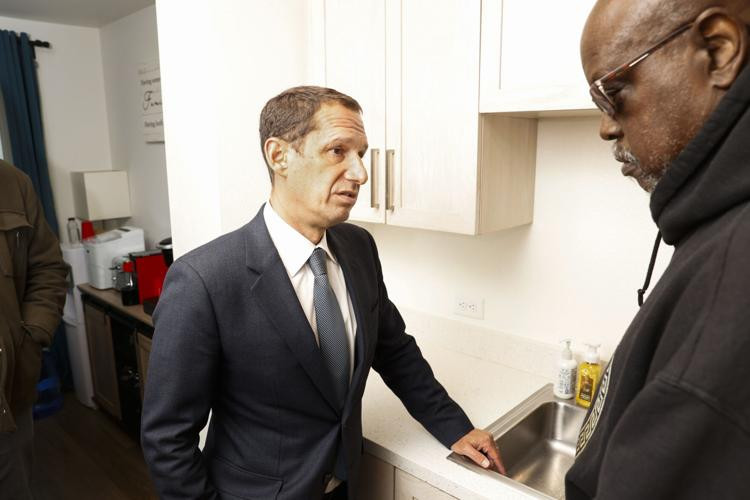
Mayor Daniel Lurie cannot continue to ignore this issue or act as if doesn’t exist. I will say this as a member of the Black community in San Francisco: WHERE IS THE LOVE, DANIEL….WHERE IS THE LOVE?
Here’s our song/video for this article:
Roberta Flack And Donny Hathaway – Where Is The Love