When a Hanging Is Ruled Suicide, Who Makes Sure the Investigation Was Worthy of the Dead?
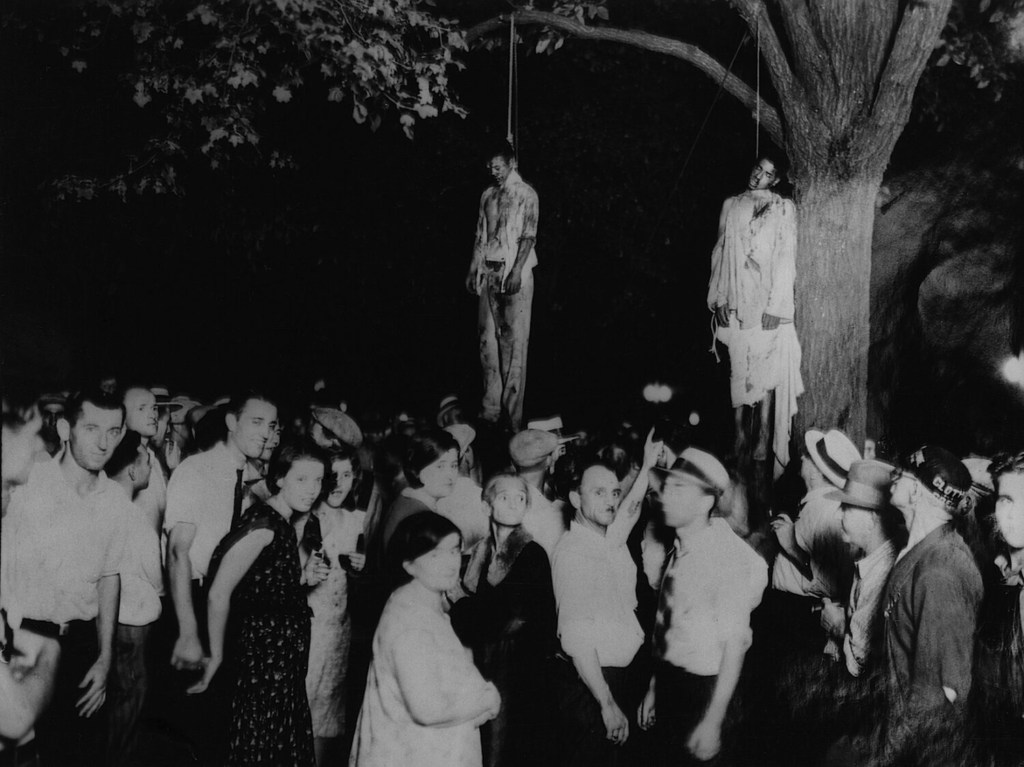
https://www.abhmuseum.org/an-iconic-lynching-in-the-north/ – Hanging of Abram Smith and Thomas Shipp in Marion, Texas.
“This is probably the most well-known photo of a lynching. It was taken by professional photographer in Marion, Lawrence Beitler, who printed and sold hundreds as souvenirs and postcards. The photo inspired the song Strange Fruit. It was featured by LIFE magazine in its 2011 book 100 Photographs That Changed the World.”
RULED SUICIDE, REMEMBERED AS LYNCHING
https://destination-freedom.org/ruled-suicide-remembered-as-lynching-2/
I’ve been writing articles for well over 20 years. The first article that I ever wrote for publication came out in 2002 in the Mahogany Review which was based in Ocala, Florida. As a Black journalist, I have witnessed and seen many injustices. For the past couple of years, I have noticed a steady rise of lynchings involving young, Black Americans. What pains me the most is that our deaths have not rated a significant response from the White House, the Department of Justice which includes the FBI, and the Department of Homeland Security. As always, with just about every article I write, I request that the public share my work far and wide. Take this as a clarion call for justice. Justice for a people that have had to fight for every freedom that we have.
There is a photograph America has spent nearly a century trying to place safely inside the past.
On August 7, 1930, Thomas Shipp and Abram Smith were lynched in Marion, Indiana. Lawrence Beitler photographed their bodies hanging above a white crowd. Copies of that photograph circulated widely. Years later, the image helped inspire Abel Meeropol’s anti-lynching poem and song “Strange Fruit,” made immortal by Billie Holiday.
The photograph matters now not because history is repeating itself in precisely the same form. Journalism must resist that easy conclusion. It matters because a body hanging from a tree in the United States can never be treated as an ordinary visual fact. The image carries a documented history of racial terror, public spectacle, official indifference and, too often, impunity.
And in 2026, families and communities are again asking a question that should disturb the conscience of this country: When a Black, Brown or otherwise marginalized person is found hanging from a tree or in circumstances that evoke that history, what level of investigation does the government owe the dead before it closes the file?
That is the question. Not whether every hanging is a lynching. Not whether grief is proof. Not whether suspicion can substitute for evidence. It cannot. The question is whether the evidence is being gathered with enough rigor, independence and transparency to earn public trust.
A Record That Cannot Be Dismissed With a Press Release
On February 18, 2026, the civil and human rights organization JULIAN released A Crimson Record, a report explicitly modeled as a modern counterpart to Ida B. Wells’ 1895 A Red Record. JULIAN says it examined more than 70 cases it classifies as “modern-day lynchings” across Alabama, Florida, Georgia, Louisiana, Mississippi, Tennessee and Texas since 2000, along with more than 150 fatal hate crimes and suspicious deaths affecting Black, Brown, immigrant, Indigenous and LGBTQ+ communities.
That language requires precision. JULIAN’s classifications are the organization’s conclusions; they are not judicial findings that 70 murders have been proven to be lynchings. But dismissing the report on that basis would miss the point. Its central allegation is about investigative failure: premature suicide determinations, inadequate crime-scene work, disputed autopsies, exclusion of families and the difficulty of reopening a case once “suicide” becomes the official narrative.
Mississippi, according to reporting on the study, has the largest number of cases in JULIAN’s modern-day-lynching category: 20. The report also says nearly one-third of the total deaths it examined involved Black transgender women. Those findings demand independent scrutiny precisely because they are grave.
JULIAN founder Jill Collen Jefferson told Axios that once a case is ruled suicide, it is no longer investigated as a potential homicide. That observation points to the institutional hinge in this story: classification is not clerical.
Classification determines what questions continue to be asked.
The Names Behind the Argument
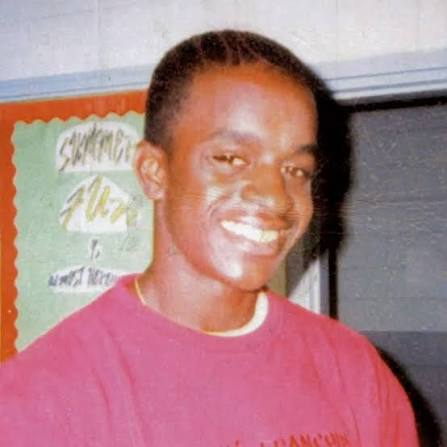
Raynard Johnson — Kokomo, Mississippi, 2000. The 17-year-old was found hanging in the front yard of his home. Local authorities made a preliminary suicide finding. The NAACP passed an emergency resolution describing the circumstances as resembling a classic Mississippi lynching scene and noted that the Justice Department and FBI were investigating.
https://www.facebook.com/watch/?v=264940391265058
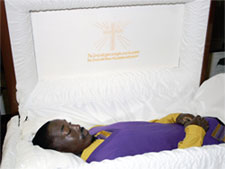
Frederick Jermaine Carter — Greenwood, Mississippi, 2010. His death was ruled suicide; his family and civil-rights advocates challenged that conclusion. JULIAN later cited an independent autopsy as part of its criticism of the original determination.
https://www.finalcall.com/artman/publish/National_News_2/article_7520.shtml
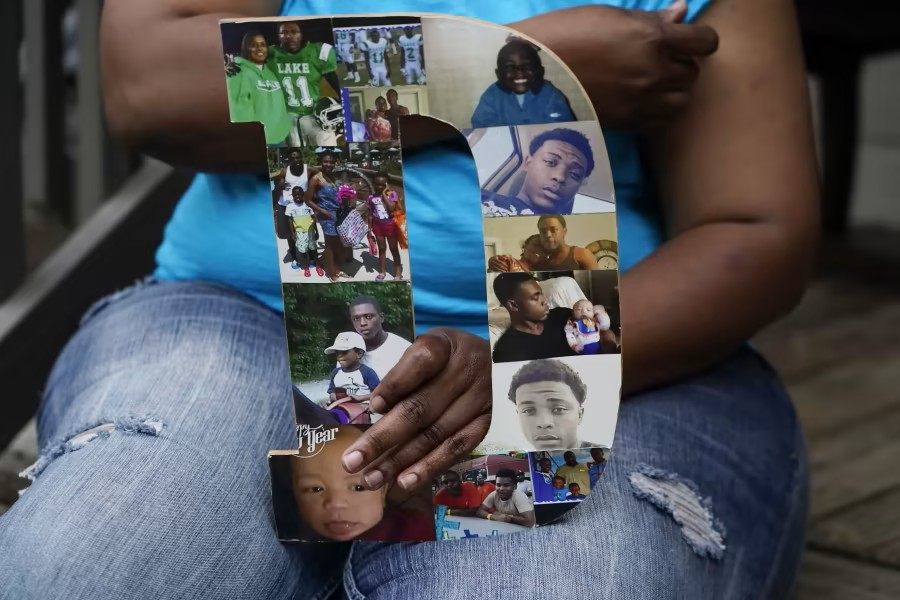
Willie Andrew Jones Jr. — Scott County, Mississippi, 2018. His death was initially ruled suicide. In 2024, JULIAN released an independent medical review by former New York City chief medical examiner Dr. Michael Baden that concluded the death was a homicide. That independent conclusion does not itself establish who killed Jones or prove a hate-crime motive, but it creates an obvious accountability question: what happens when a later forensic opinion fundamentally conflicts with the official manner of death?
https://www.wsls.com/news/national/2021/05/23/black-mans-death-in-mississippi-lynching-or-suicide/
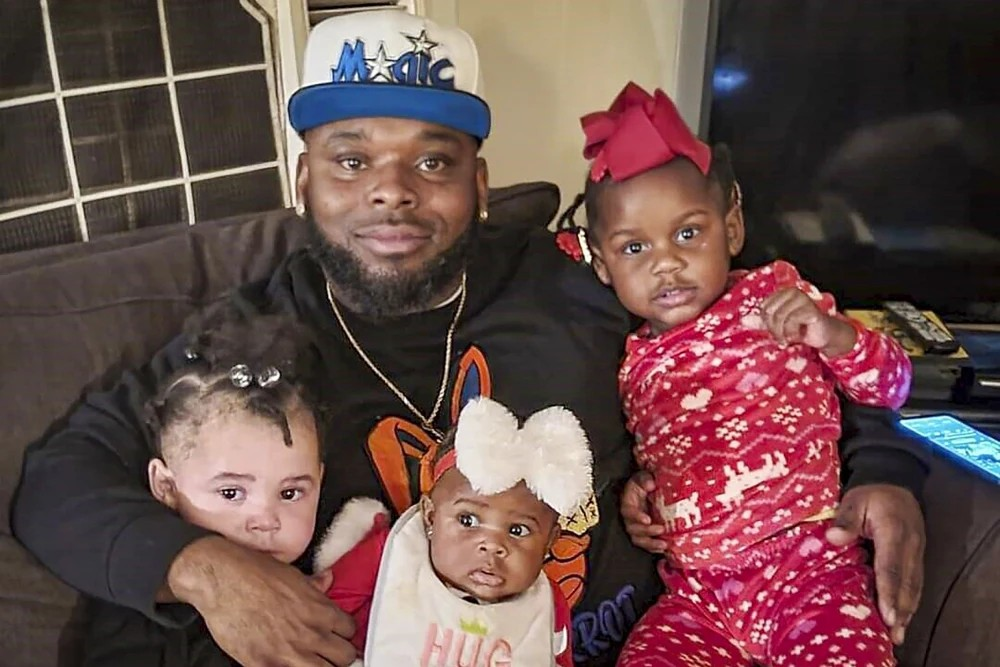
Dennoriss Richardson — Colbert County, Alabama, 2024. Richardson was found hanging in an abandoned house. Local authorities said suicide; his family disputed that conclusion. The local sheriff asked the FBI to investigate, and the FBI became involved. That fact is important because it shows federal review is possible — and because this article is demanding a consistent national standard, not pretending the FBI has never entered one of these cases.
https://www.nbcnews.com/news/us-news/fbi-asked-investigate-death-black-man-whose-body-was-found-hanging-aba-rcna178518

Trevonte Jamal Shubert-Helton — Towns County, Georgia, 2024. The Georgia Bureau of Investigation announced that its investigation and preliminary medical-examiner findings supported suicide. JULIAN has included the case in its broader argument about suspicious deaths. The official conclusion and the advocacy organization’s interpretation are in conflict; both facts belong in the record.
https://atlantadailyworld.com/2024/02/23/black-man-found-hanging-from-a-tree-in-north-georgia/
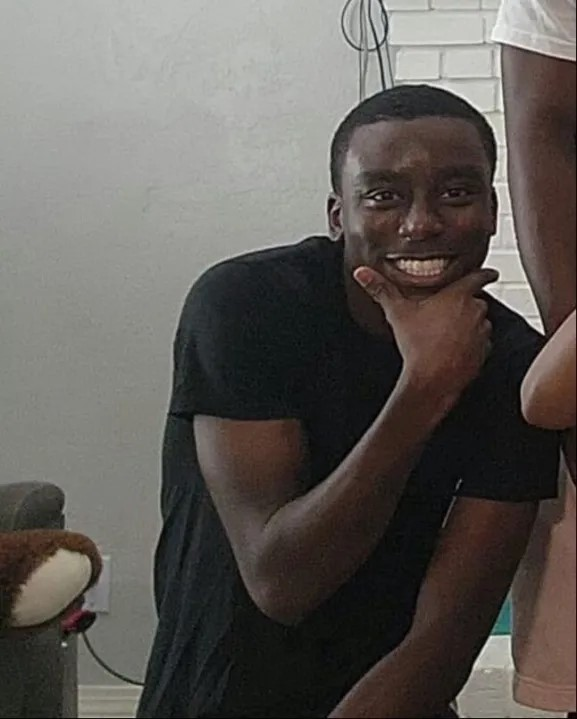
Javion Magee — Vance County, North Carolina, 2024. Magee, 21, was found at the base of a tree with a rope around his neck. His family’s attorneys initially called any suicide conclusion premature. A later North Carolina medical examiner’s report classified the death as suicide and reported no evidence of foul play. That later finding must be acknowledged even while the family’s early concerns remain part of the history of the case.
https://www.cbs17.com/news/local-news/man-found-dead-with-rope-around-neck-in-vance-county-sheriffs-office-says/
JUSTICE FOR JAVION MAGEE NOW
https://destination-freedom.org/justice-for-javion-magee-now/
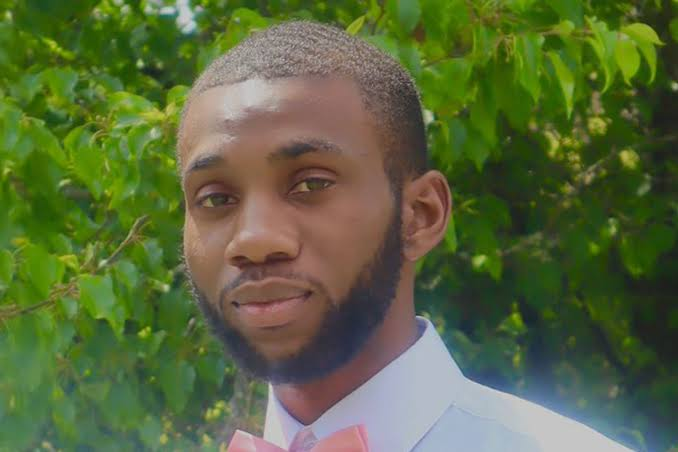
Demartravion “Trey” Reed — Cleveland, Mississippi, 2025. The 21-year-old Delta State University student was found hanging from a tree on campus. State authorities concluded suicide. Activists and family representatives later publicly alleged that an independent examination identified blunt-force trauma; however, reputable reporting noted that the independent autopsy itself had not been publicly released at the time. The responsible formulation is therefore not “the state autopsy was disproved.” It is that a serious forensic dispute was alleged and deserves documentary resolution.
https://www.mississippifreepress.org/delta-state-university-students-body-found-hanging-in-tree-no-foul-play-suspected/
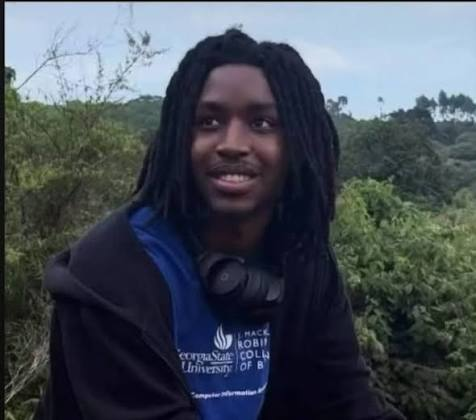
Kyle Bassinga — Cobb County, Georgia, 2026. Cobb County police said their investigation found Bassinga was alone at the time of his death and found no indication of foul play. His death nevertheless became part of the national conversation over hanging deaths and public trust.
https://www.facebook.com/CodyAlcornNews/posts/case-update-kyle-bassinga-the-21-year-old-was-found-hanging-from-a-tree-last-wee/1450884649733827/
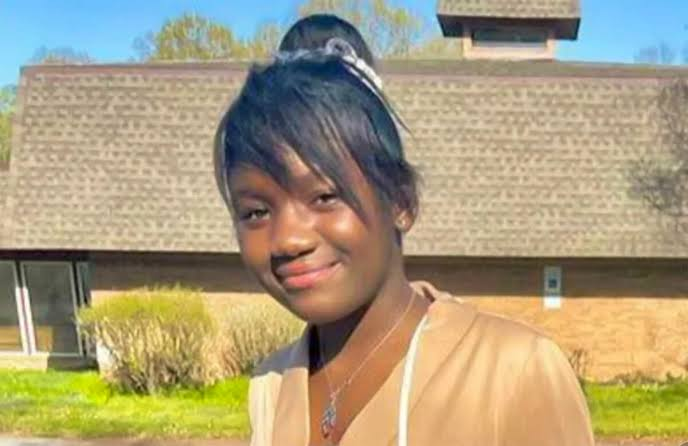
Juliana Umba Nzita — Charlotte, North Carolina, 2026. Nzita was 16. Her body was found hanging on church property. Charlotte-Mecklenburg police ruled the death suicide. Local reporting later established that no autopsy was performed; police said a thorough physical examination found no defensive wounds, assault or evidence of outside involvement. The Charlotte-Mecklenburg Community Relations Committee publicly questioned the investigation, and the family sought an autopsy and legal counsel. The speed and scope of the original inquiry became a legitimate public-accountability issue.
https://www.charlotteobserver.com/news/local/article316538093.html
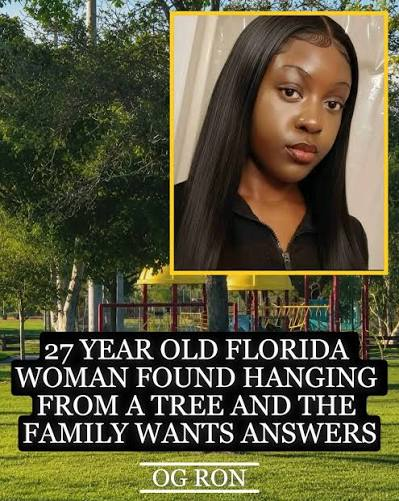
Tonea Nicole Miller — Miami-Dade County, Florida, 2026. The 27-year-old was reported found hanging from a tree at Gwen Cherry Park. Authorities treated the death as an apparent suicide and said there was no evidence of foul play. Her sister has publicly demanded further investigation.
https://www.facebook.com/ogronlikepage/posts/the-miami-dade-police-department-has-classified-the-death-of-27-year-old-tonea-n/1535902337904564/
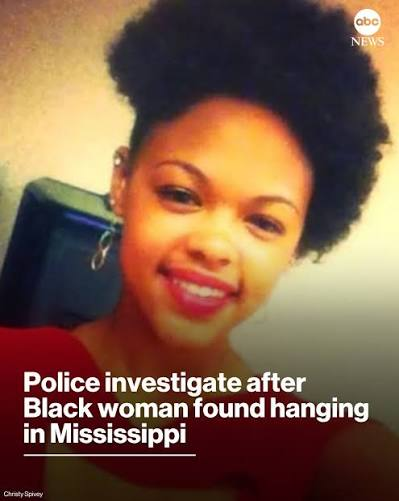
Tasia Fortune — Jackson, Mississippi, August 2026. The 29-year-old mother of four was found hanging behind a vacant or abandoned house. As of this writing, the death remains under investigation and an autopsy is pending. Jackson City Councilman Kenneth Stokes has called for federal assistance. This case must not be pre-judged in either direction. It is exactly the kind of case in which patience, forensic rigor and transparency matter.
https://www.threads.com/@abcnews/post/Db1w09LGvLM/the-mother-of-tasia-fortune-a-year-old-black-woman-whose-body-was-found-hanging/
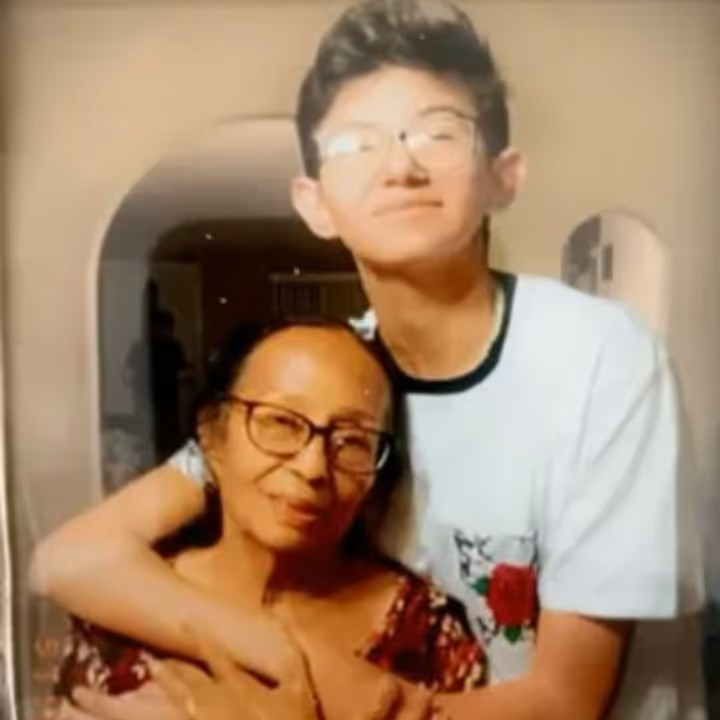
Isaac Carlos Aguirre — Washington, D.C., April 2026. The 19-year-old was found hanging from a tree near the Metropolitan Police Department’s Fourth District station. Police said no foul play was suspected and treated the matter as a suicide investigation. The Washington Informer reported that MPD did not issue a public statement for three days, prompting protests and demands for transparency.
https://dailyvoice.com/article/19-year-old-found-hanging-from-tree-near-dc-police-station-now-his-family-searches-for-truth/
The Statistic Is a Warning — Not a Verdict
The Centers for Disease Control and Prevention reported that, in 2020, the age-adjusted suicide rate by suffocation — a category that includes hanging — was 4.6 per 100,000 for White people and 2.0 for Black people. That is a real disparity.
But statistics cannot determine the manner of death in an individual case. A lower population rate does not mean a Black person cannot die by suicide by hanging. To claim otherwise would be medically irresponsible and journalistically indefensible.
What the disparity can do is sharpen the public-policy question: when a method of death carries extraordinary historical meaning and occurs in a population with a lower documented rate of suicide by that method, should investigators apply a heightened, standardized protocol before closing a case? That is a legitimate question for medical examiners, law enforcement, civil-rights lawyers and Congress.
America Already Knows What a Failure to Investigate Looks Like
The Equal Justice Initiative has documented more than 4,400 Black victims of racial-terror lynchings between 1877 and 1950. Those killings were not simply private acts of hatred. They functioned as public enforcement of racial hierarchy, often with officials looking away, participating or failing to hold perpetrators accountable.
That history does not prove the cause of any death in 2026. It does establish why official indifference has a different meaning when the scene is a body in a tree. Government cannot demand that communities forget history while asking those same communities to trust a conclusion reached behind closed doors.
The standard must therefore be higher than: We saw no obvious foul play. The standard should be: We preserved the scene. We reconstructed the timeline. We examined digital evidence. We interviewed material witnesses. We completed appropriate forensic testing. We considered the possibility of coercion or third-party involvement. We documented why homicide was excluded. And, when circumstances warrant it, we invited independent or federal review.
The Federal Law Exists. Where Is the Federal Protocol?
In March 2022, the Emmett Till Antilynching Act became federal law after generations of failed attempts to enact federal anti-lynching legislation. The law amended 18 U.S.C. § 249 and authorizes penalties of up to 30 years for a conspiracy to commit a qualifying hate-crime offense when it results in death or serious bodily injury, kidnapping, aggravated sexual abuse or an attempt to kill.
The statute matters. But a prosecution statute is only as useful as the investigative machinery that identifies cases to which it may apply.
JULIAN has criticized the law as “toothless” and called for stronger procedures for suspected modern-day lynchings. Whether one accepts JULIAN’s terminology or not, the policy gap is difficult to ignore: there is no widely understood, nationally uniform public protocol requiring automatic independent review merely because a person is found hanging in a public place under contested circumstances.
That is where Congress and the Justice Department should act.
DHS Is Not the Homicide Squad — But It Cannot Pretend the Pattern Is Irrelevant
The Department of Homeland Security should be described accurately. DHS is not the primary agency that determines whether a local death is homicide, suicide or a federal hate crime. That responsibility rests principally with state and local investigators, medical examiners, the FBI and the Department of Justice.
But DHS does publish national threat assessments and intelligence concerning domestic violent extremism. Its 2025 Homeland Threat Assessment addresses the continuing threat posed by domestic violent extremists, including actors motivated by racial or ethnic grievances. If credible evidence were to show a pattern of racially motivated killings designed to terrorize communities, that pattern would plainly have homeland-security significance.
So the question to DHS is not, “Why haven’t you solved these deaths?” The question is narrower and harder to evade: Are federal threat analysts examining whether disputed hanging deaths reveal any cross-jurisdictional indicators of racially or ethnically motivated violent extremism? If not, what evidentiary threshold would trigger that analysis?
The Contrast Washington Must Explain
On April 21, 2026, the Justice Department announced an 11-count federal indictment of the Southern Poverty Law Center alleging wire fraud, false statements to a federally insured bank and conspiracy to commit concealment money laundering. The SPLC denies wrongdoing, and the allegations must be tested in court. The FBI investigated the case with assistance from IRS Criminal Investigation.
The point is not that the SPLC should be immune from investigation. No institution should be. The point is capacity.
When federal authorities believe the evidence supports a complex financial case, they can assemble agents, prosecutors, forensic records, subpoenas, grand-jury process and a national press conference. That is what federal power looks like when it is mobilized.
So families looking at unresolved or contested hanging deaths are entitled to ask: What would federal power look like if it were mobilized with the same institutional seriousness to determine whether any of these deaths involved civil-rights violations, hate crimes, conspiracies or failures of local investigation?
That is not a partisan question. It is a rule-of-law question.
Five Questions That Require Written Answers
- To the FBI and the Justice Department’s Civil Rights Division: Has the federal government conducted, or will it conduct, a coordinated review of the cases identified in A Crimson Record to determine whether any warrant renewed federal civil-rights or hate-crime investigation? If not, why not?
- To the Justice Department: Since enactment of the Emmett Till Antilynching Act, how many matters have been opened, declined, charged or prosecuted under the lynching provision of 18 U.S.C. § 249? Publish the numbers and the charging criteria, consistent with lawful confidentiality limits.
- To DHS: Are analysts evaluating disputed hanging deaths for cross-jurisdictional indicators of racially or ethnically motivated violent extremism? What threshold would cause such a pattern to be incorporated into a homeland-threat assessment?
- To state medical examiners and local law-enforcement agencies: Will you publish anonymized aggregate data on hanging deaths, including scene-investigation practices, autopsy status, psychological-autopsy use, independent-review requests and changes in manner-of-death determinations?
- To Congress: Will you establish and fund a national suspicious-hanging review protocol — one that triggers enhanced evidence preservation, full forensic review and notice to an independent civil-rights authority when a public hanging or other historically evocative death presents unresolved indicators?
The Most Dangerous Word in This Story Is Not “Lynching.” It Is “Closed.”
I have now returned to this subject repeatedly because the question has not gone away.
I am not asking readers to declare every suicide ruling fraudulent. I am asking the government to recognize that public confidence cannot be commanded; it must be earned through evidence. I am asking journalists to distinguish allegation from proof without confusing caution with silence. And I am asking federal officials to understand that history changes the burden of explanation.
A Black family should not have to become a forensic laboratory. A mother should not have to crowd-fund an autopsy because the first investigation left basic questions unanswered. A community should not have to discover through a reporter that no autopsy was performed. And an advocacy organization should not have to build the only national record capable of forcing the government to ask whether the cases share anything more than grief.
America has seen bodies in trees before. We know what happened when authorities did not ask enough questions. We know what happened when local power was permitted to certify its own innocence. We know what happened when terror was converted into paperwork and then filed away.
The lesson of that history is not that every hanging is a lynching.
The lesson is that no government worthy of public trust should be afraid to prove that it investigated.
Preserve the evidence. Open the records that can lawfully be opened. Publish the standards. Review the contested cases. Follow the facts wherever they lead — including, when the evidence supports it, to suicide.
But do the work.
Because the dead cannot cross-examine the state.
And a country that once allowed crowds to gather beneath hanging Black bodies should never again be satisfied with silence beneath the tree.
SOURCE LIST & PUBLIC RECORDS
JULIAN. “New ‘Crimson Record’ Chronicles Over 70 Recent Lynchings in Deep South; Reveals New Evidence in Cases,” Feb. 18, 2026. https://www.julianfreedom.org/press-releases/new-crimson-record-chronicles-over-70-recent-lynchings-in-deep-south-reveals-new-evidence-in-cases
Axios. Russell Contreras, “New report says lynching ‘evolved’ in U.S., not ended,” Mar. 7, 2026. https://www.axios.com/2026/03/07/lynching-south-black-americans-suicide-report
CDC / MMWR. “QuickStats: Age-Adjusted Suicide Rates for the Three Leading Methods of Suicide, by Race and Ethnicity — United States, 2020,” MMWR 71:979 (2022). https://www.cdc.gov/mmwr/volumes/71/wr/mm7130a6.htm
Equal Justice Initiative. Community Remembrance Project / Lynching in America; documents more than 4,400 African Americans killed in racial-terror lynchings from 1877 to 1950. https://eji.org/projects/community-remembrance-project/
Congress.gov. H.R. 55, Emmett Till Antilynching Act, 117th Congress; became Public Law 117-107 on Mar. 29, 2022. https://www.congress.gov/bill/117th-congress/house-bill/55
GovInfo. Public Law 117-107, Emmett Till Antilynching Act, 136 Stat. 1125. https://www.govinfo.gov/app/details/PLAW-117publ107
NAACP. “Regarding the Lynching of Raynard Johnson in Kokomo, Mississippi,” 2000 Emergency Resolution. https://naacp.org/resources/regarding-lynching-raynard-johnson-kokomo-mississippi
JULIAN. “With New Evidence, JULIAN Demands Mississippi DA File Murder Charges In 2018 Lynching Case of Willie Jones Jr.,” Apr. 10, 2024. https://www.julianfreedom.org/press-releases/with-new-evidence-julian-demands-mississippi-da-file-murder-charges-in-2018-lynching-case-of-willie-jones-jr
Associated Press. Reporting on the FBI investigation into the 2024 death of Dennoriss Richardson in Alabama. https://apnews.com/article/2e2222fe1ce9d5e37b67837734fb4339
Georgia Bureau of Investigation. “GBI Investigates Death at Swallow Creek Wildlife Management Area in Towns County,” updated Mar. 6, 2024. https://gbi.georgia.gov/press-releases/2024-03-06/gbi-investigates-death-swallow-creek-wildlife-management-area-towns
The News & Observer. Reporting on Javion Magee’s death, the family’s initial challenge, and the later medical examiner finding of suicide (Sept. 2024; May 2025). https://www.newsobserver.com/news/state/north-carolina/article305979871.html
Mississippi Today. “Family awaits results of independent autopsy on Delta State student Trey Reed,” Oct. 24, 2025. https://mississippitoday.org/2025/10/24/family-awaits-results-independent-autopsy-delta-state-student-trey-reed/
Cobb County Government. “Statement on the Investigation into the Death of Kyle Bassinga,” Mar. 24, 2026. https://www.cobbcounty.gov/news/statement-investigation-death-kyle-bassinga
WBTV. Dedrick Russell, “Committee questions police investigation into death of teen found hanging at Charlotte church,” July 31, 2026. https://www.wbtv.com/2026/07/31/community-relations-committee-questions-cmpds-investigation-into-death-16-year-old-found-hanging-charlotte-church/
The Miami Times. “Tonea Nicole Miller death sparks #JusticeForTonea movement after woman found hanging in Miami park,” June 25, 2026. https://www.miamitimesonline.com/news/local/tonea-nicole-miller-death-sparks-justicefortonea-movement-after-woman-found-hanging-in-miami-park/article_c6f42bc5-ad82-4a6b-84f7-44197c0b4e94.html
Associated Press. “What we know about the death of Tasia Fortune in Mississippi,” Aug. 2026. https://apnews.com/article/2f2128ab4eab15340c0e16816183393e
The Washington Informer. Sam P.K. Collins, “Young Man Found Hanging From Tree in Northwest, MPD Issues Public Statement Days Later,” Apr. 17, 2026. https://www.washingtoninformer.com/fourth-district-headquarters-body-found/
U.S. Department of Justice. “Federal Grand Jury Charges Southern Poverty Law Center for Wire Fraud, False Statements, and Conspiracy to Commit Money Laundering,” Apr. 21, 2026. https://www.justice.gov/opa/pr/federal-grand-jury-charges-southern-poverty-law-center-wire-fraud-false-statements-and
Reuters. Reporting on the Apr. 21, 2026 federal indictment of the Southern Poverty Law Center and the organization’s denial of wrongdoing. https://www.reuters.com/legal/government/southern-poverty-law-center-says-trump-administration-is-probing-its-use-paid-2026-04-21/
U.S. Department of Homeland Security. Homeland Threat Assessment 2025, Office of Intelligence and Analysis. https://www.dhs.gov/sites/default/files/2024-10/24_0930_ia_24-320-ia-publication-2025-hta-final-30sep24-508.pdf
Davis Vanguard. Malik Washington, “Ruled Suicide, Remembered as Lynching — Hanging Deaths, Official Silence, and the Return of America’s Oldest Terror,” Apr. 24, 2026. https://davisvanguard.org/2026/04/bodies-trees-american-fear/
The song/video for this article is:
Billie Holiday – “Strange Fruit” Live 1959 [Reelin’ In The Years Archives]